
The Way We Travel
Philosophical Pillars
Travel can still mean something. Beneath the noise of rankings and reels, there’s room to move differently; without urgency, without choreography. To let a place unfold in its own time and to be changed a little in the process. These are the ideas that guide Folio: small reminders of how travel might feel when it’s human again.
TRAVEL AS CONNECTION
Not just scenery or checklists. The heart of travel is encounters with people, ideas, and small, unexpected moments that linger.
Travel used to feel like discovery: first the dog-eared guides, then the blogs, then the endless scroll of travel influencers promising “unique stays,” and now AI offering a perfect, optimized itinerary for our “unique” selves. We chase “authentic” and “off the beaten path,” yet end up repeating the same routes, staged at the same overlooks, walking footpaths laid by ranking systems. The people of a place fade behind star counts and hashtags; our days are prewritten by the feed and rendered into content. We travel to feel singular and come home with duplicates. That’s the empty space in which travel echoes today.
What’s missing isn’t another trick for finding the “secret” spot; it’s the simplest element we’ve sidelined people. Connection returns when we arrive as guests rather than performers, when we let a place be introduced by those who live there, and when we leave enough slack in the day for a conversation to carry. You don’t have to be off the path; you have to be with people. In that posture, small things start to hold: a joke traded on a walk, a technique shown by hand, a story that reframes dinner. Those are the moments that linger, the ones that make a trip feel lived rather than collected, and that still travel with you long after the memories blur.

People-curated, not algorithm-driven
In an age of social feeds and AI, Folio offers a filter shaped by people, not machines.
So much of life now runs on rankings. Feeds predict the next click, and AI stitches our inputs into “perfect” plans. Travel shows this most clearly: the promise of uniqueness collapses into the same shortlist of angles and overlooks, all calibrated for visibility. Overtourism isn’t a glitch; it’s the output of systems tuned for visibility and yield. Cities strain under continuous “discovery,” while we move through them on rails built by metrics. We set out to feel singular and arrive together. We collect locations, not experiences.
People-curated is a refusal of that drift. It means going beyond the rankings, staying small, and saying no more often than yes. Someone is answerable for the edit. We add slowly and deliberately, names, not keywords; hosts we’d send a friend to; experiences chosen for substance, not for trending. It isn’t an open marketplace or a viral list; it’s a small, human filter you can trust. The aim isn’t a “perfect” plan, but a considered starting point, enough direction to meet people, without the script.
Slower, less scripted
A rhythm that favors presence over performance.
Modern trips are built to maximize: ten tabs open, twelve pins saved, minutes carved into slots. We can come home with beautiful photos and polished reels (proof that we hit the highlights) and to some extent we did. The scenery, the environment, the food: not nothing, but missing the connective tissue that holds it together, the people. Because travel is costly and time off is scarce, we over-optimize to fit everything in, and the pace tips from travel into sightseeing: a sequence to manage rather than a place to inhabit.
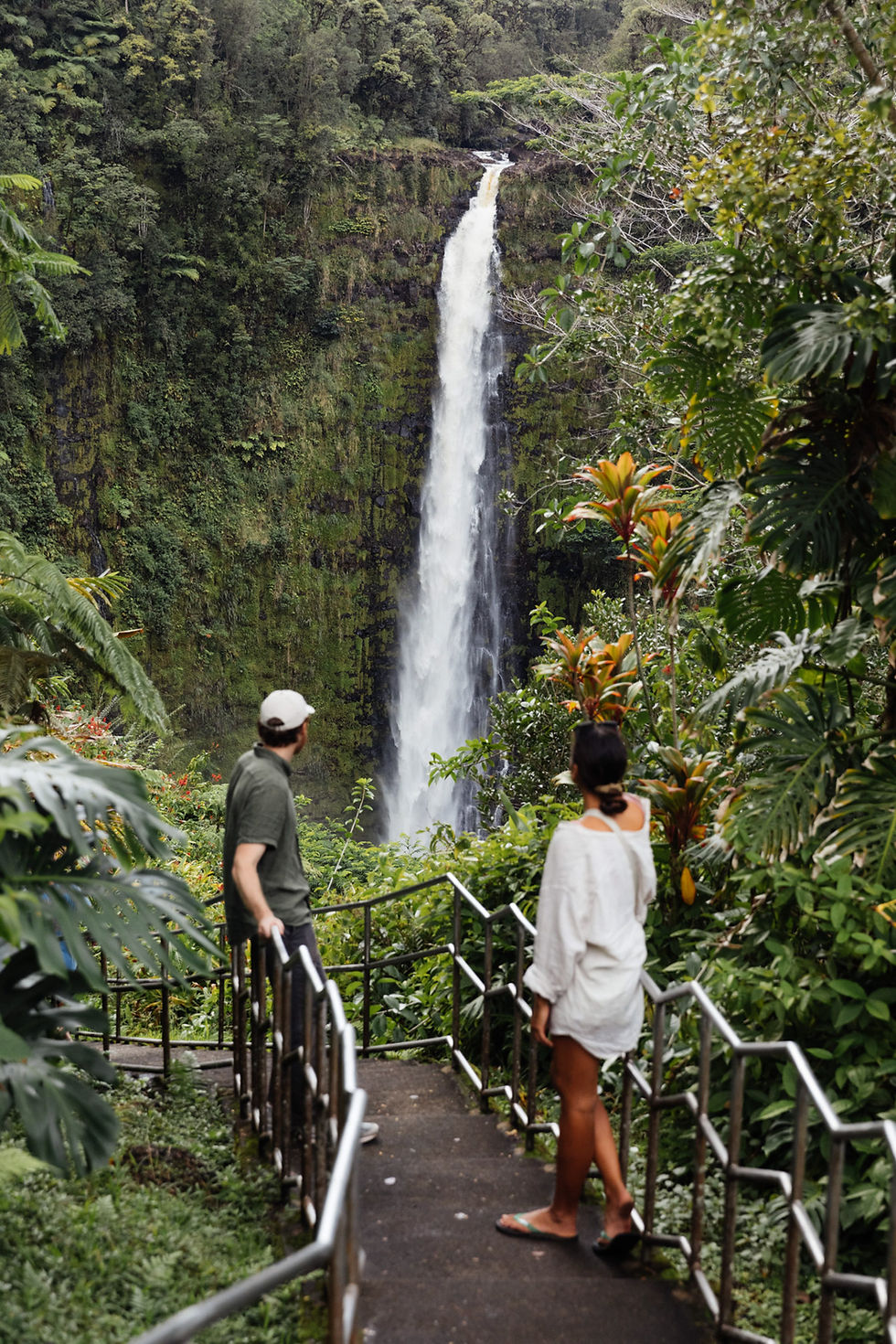
A slower rhythm asks less and gives more. Choose fewer things and stay longer. Return to the café you liked yesterday. Let a conversation run past the next appointment. Sit through the weather. Repeat a good walk until it becomes this walk, with names and faces attached. When days have margins, ordinary scenes turn specific and people become the thread that stitches the trip together. Presence over performance.


Travel as time well spent
Like reading a good book: enjoyable, engaging, enlightening without trying, and sometimes touching the heart.
Like reading a good book, travel is first about enjoyment, then, almost without trying, it enlarges you. In a world where feeds and streaming platforms tune what we see and think we know, staying put can harden our ideas. You don’t have to be a globetrotter to keep them supple, but you do have to step outside your bubble now and then. Walking a different street, listening to the cadence of another place, letting a stranger’s explanation replace your assumptions, these are small acts that keep a life from calcifying. It isn’t “impact” as a performance; it’s maintenance for curiosity.
“Where to” matters less than “how.” A neighboring town, a week in a familiar city lived more slowly, a class at someone’s studio, each is time spent in contact with the world rather than its representations. You come back with more than opinions: you add scenes, voices, and textures to the inner library you draw from. That’s why we call it time well spent. Like a good book, a good trip doesn’t lecture; it carries you along, engages your senses, and every so often touches the heart, quietly, and for a long time.
People-curated is a refusal of that drift. It means going beyond the rankings, staying small, and saying no more often than yes. Someone is answerable for the edit. We add slowly and deliberately, names, not keywords; hosts we’d send a friend to; experiences chosen for substance, not for trending. It isn’t an open marketplace or a viral list; it’s a small, human filter you can trust. The aim isn’t a “perfect” plan, but a considered starting point, enough direction to meet people, without the script.
Opening the Folio: What’s Next
Our first step is people-curated tours and experiences. The path ahead: retreats, stays, and ways to connect beyond the algorithm.